

Omnichannel DSP
SCROLL DOWN








Technologies, Options & Services
Our Tech Features and Campaign Options are strong and diverse. Discover campaign features/options like Geo-Fencing, Whitelabel DSP, Audio Ads, Retargeting/Remarketing and many more.
SCROLL DOWN
Technologies, Options & Services
Our Tech Features and Campaign Options are strong and diverse. Discover campaign features/options like Geo-Fencing, Whitelabel DSP, Audio Ads, Retargeting/Remarketing and many more.
TECH FEATURES | CAMPAIGN OPTIONS

#TARGETOO #DEMAND SIDE PLATFORM #OMNIPRESENCE
TECHNOLOGIES, OPTIONS & SERVICES
We develop and operate intelligent technologies that power high-performing programmatic advertising. Our proprietary features are designed for precision, scale, and measurable results - giving advertisers the tools they need to execute successful campaigns across devices and markets.















Targeting Features
The more the better. Simply put; the amount of targeting options any given platform can offer, has a big influence on a positive outcome/results of a campaign.
SCROLL DOWN
Targeting Features
The more the better. Simply put; the amount of targeting options any given platform can offer, has a big influence on a positive outcome/results of a campaign.
TARGETING FEATURES | THE MORE THE BETTER
Achieving a positive ROI in programmatic display advertising depends on precise campaign configuration and smart targeting. The more data points and variables a Demand Side Platform can optimize on, the greater the potential for strong performance and conversion outcomes.

















About Targetoo
At Targetoo, we breath Programmatic Advertising. We always try to go that extra mile for our clients. Being truly passionate about this industry, the targeting capabilities a DSP can offer and our fast service - produce satisfied clients and structural partnerships. Reach out!
SCROLL DOWN
About Targetoo
At Targetoo, we breath Programmatic Advertising. We always try to go that extra mile for our clients. Being truly passionate about this industry, the targeting capabilities a DSP can offer and our fast service - produce satisfied clients and structural partnerships. Reach out!
Agencies

Not a 'big' agency? We are still happy to work for you.
Brands
Not a global conglomerate? We are still happy to work for you.
Brands & Agencies That Chose Us



















From Fortune 500 to the shop next door.
Verified Partners
Integrated Supply Partners
Unparalleled reach for global mobile inventory through leading direct
programmatic integrations that enable higher audience outreach.
















Brand Safety, Data, Tracking and Creative Optimization Partners
Data-driven Solutions for Real-time Optimization, Compliance, and Creativity

















About Targetoo
We’re a professional, driven, and passionate team. Programmatic advertising is what we live and breathe. We combine deep technical expertise with a commitment to client success — delivering premium technology, competitive pricing, and personalized service at every stage of growth.
Interested in meeting our team? REACH OUT
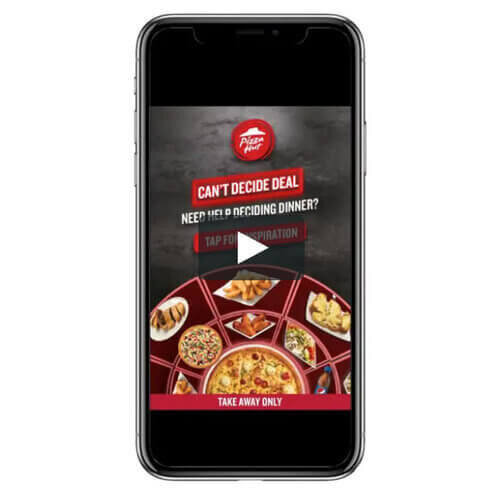
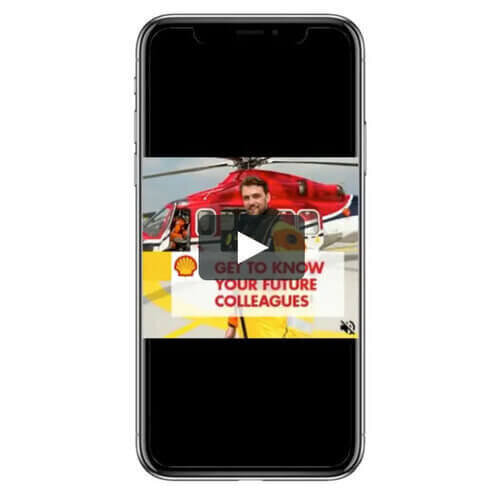
Creative Services & Rich Media Examples

USPs and our model
Several factors are responsible for being able to offer a strong Real-Time-Bidding platform. Being connected to as many as possible inventory sources, an internally build bidder and Performance Advertising solutions are just a few of them.
SCROLL DOWN
USPs and our model
Several factors are responsible for being able to offer a strong Real-Time-Bidding platform. Being connected to as many as possible inventory sources, an internally build bidder and Performance Advertising solutions are just a few of them.
USP's



OUR MODEL
Ad-exchanges & Integrations
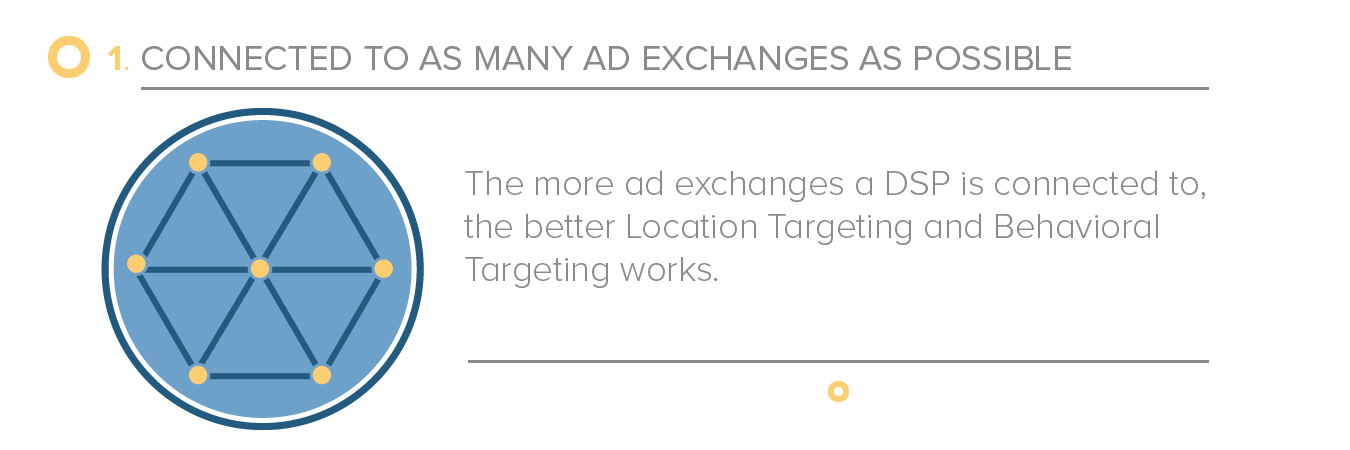
The more inventory sources available, the better. Ad-exchanges tend to have different levels of availability per country/Geo. Premium publishers are widely dispersed over these SSP’s. Simply put; the more integrations a DSP can offer, the better.
SCROLL DOWN
Ad-exchanges & Integrations
The more inventory sources available, the better. Ad-exchanges tend to have different levels of availability per country/Geo. Premium publishers are widely dispersed over these SSP’s. Simply put; the more integrations a DSP can offer, the better.
AD-EXCHANGES
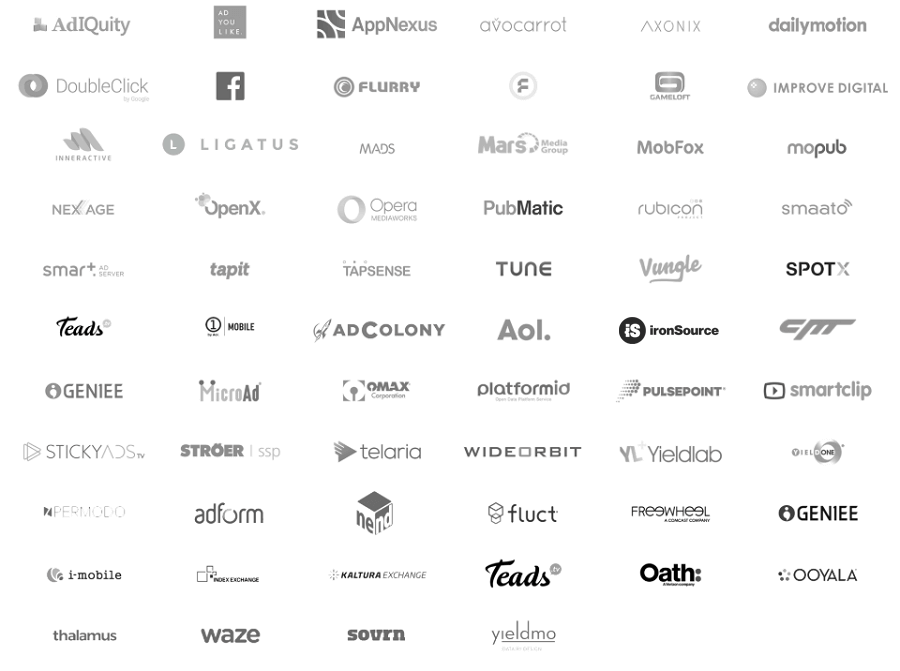
Access Inventory Across 60+ Global Ad Exchanges
The more integrations, the better. A wide network of ad exchanges enables hyperlocal reach, cross-market scalability, and the ability to serve ads on niche publishers worldwide - from Poland to Peru. More integrations mean more reach, more precision, and better performance.
AdExchanges
DATAPARTNERS
TRACKING PARTNERS
CREATION PARTNERS

Targetoo Careers
Are you a hard working Mobile Professional? Do you have a true passion for Programmatic Advertising and everything the Real-Time-Bidding landscape has to offer? Do you honestly like to serve clients as best as you can? Reach out!
SCROLL DOWN
Targetoo Careers
Are you a hard working Mobile Professional? Do you have a true passion for Programmatic Advertising and everything the Real-Time-Bidding landscape has to offer? Do you honestly like to serve clients as best as you can? Reach out!
LATEST NEWS
Featured


Frequently Asked Questions
What is Targetoo?
Targetoo is an Omnichannel Demand Side Platform (DSP) for programmatic advertising. Agencies, brands and resellers can launch and manage conventional display, Connected TV (CTV) and Digital Out-of-Home (DOOH) campaigns from one platform.
What is a DSP?
DSP stands for Demand Side Platform. It is technology advertisers use to automatically purchase advertising inventory across websites, apps, Connected TV environments and other digital media.
What is programmatic advertising?
Programmatic advertising is the automated buying and selling of digital advertising inventory. Instead of manually purchasing advertising space from individual publishers, a DSP can evaluate and bid on available impressions in real time.
How does real-time bidding work?
When an advertising opportunity becomes available, participating platforms can receive a bid request containing information about that opportunity. The DSP evaluates whether it matches the campaign settings and can submit a bid. This entire process generally takes place within milliseconds.
Who can use Targetoo?
Targetoo works with advertising agencies, brands, media companies, resellers and other professional advertisers.
Do I need to be a large advertiser?
No. Targetoo works with organizations of different sizes. You do not need to be a multinational company or major advertising agency to use the platform.
How long has Targetoo been active in programmatic advertising?
The Targetoo team has more than 15 years of experience working with programmatic advertising and Demand Side Platform technology.
What does Omnichannel DSP mean?
An Omnichannel DSP allows advertisers to manage multiple advertising channels from one environment. Targetoo combines conventional display, CTV and DOOH advertising within one platform.
Which advertising channels does Targetoo support?
Targetoo supports, among others:
- Conventional display advertising
- Mobile advertising
- Video advertising
- Connected TV (CTV)
- Digital Out-of-Home (DOOH)
- Native advertising
- Rich Media
- Audio advertising
Availability can vary depending on country, inventory source and campaign requirements.
Can I run Display, CTV and DOOH from the same platform?
Yes. One of Targetoo's core advantages is the ability to launch and manage Display, Connected TV and Digital Out-of-Home campaigns from the same environment.
Can these channels be combined in one campaign strategy?
Yes. Display, CTV and DOOH can be used together as part of an omnichannel media strategy.
What is cross-device or omnichannel synchronization?
Synchronization aims to coordinate advertising exposure across different environments. Depending on available identifiers, data, inventory and consent, a campaign can connect exposure across devices and channels—for example CTV exposure followed by advertising on another eligible device.
What is programmatic display advertising?
Programmatic display advertising is the automated purchasing of banner, rich-media and video inventory across websites and apps.
Where can Targetoo serve display advertisements?
Targetoo connects with numerous advertising exchanges and supply partners, providing access to advertising inventory across a very large number of websites and apps worldwide.
Which banner sizes are supported?
Most standard IAB display formats are supported, including commonly used formats such as 300x250, 320x50, 728x90, 970x250 and 160x600. Available formats depend on publisher inventory.
Does Targetoo support HTML5 banners?
Yes.
Does Targetoo support Rich Media?
Yes. Targetoo supports advanced Rich Media formats and can also assist with creative production.
Can Targetoo create banners for us?
Yes. Targetoo offers creative production and Rich Media services for clients that require campaign assets.
What is Connected TV advertising?
CTV advertising delivers video advertisements through internet-connected televisions and streaming environments instead of traditional linear television infrastructure.
Can I launch CTV campaigns through Targetoo?
Yes. CTV campaigns can be launched from the Targetoo DSP.
Can CTV campaigns be location targeted?
Yes, where supported by the available inventory and data. This can make CTV relevant for both national and geographically focused campaigns.
Can I run local CTV campaigns?
Yes. CTV does not necessarily need to be a national television campaign. Available inventory can allow campaigns to focus on particular geographic markets.
Can I run international CTV campaigns?
Yes. Targetoo provides access to CTV inventory across multiple international markets.
Can CTV advertising be synchronized with display advertising?
Depending on the inventory, identifiers and applicable privacy requirements, CTV exposure can be combined with other programmatic channels as part of an omnichannel strategy.
What is DOOH?
DOOH stands for Digital Out-of-Home. It refers to digital advertising screens located outside people's homes, including screens in shopping areas, transport environments, gyms, offices and other public or commercial locations.
Can I buy DOOH through Targetoo?
Yes. Programmatic DOOH campaigns can be launched through Targetoo.
Can I combine DOOH with mobile advertising?
Yes. Depending on the campaign setup and available data, DOOH activity can be combined with mobile and display advertising.
Can DOOH be bought programmatically?
Yes. Programmatic DOOH allows advertisers to buy eligible screen inventory dynamically instead of relying exclusively on traditional fixed outdoor bookings.
Can DOOH campaigns be location targeted?
Yes. Location is inherently important to DOOH, and campaigns can be constructed around relevant geographic areas and available screens.
Can I run DOOH campaigns internationally?
Yes. Targetoo has access to DOOH inventory across multiple countries and markets.
What is GEO-targeting?
GEO-targeting means limiting campaign delivery based on geographic criteria.
Which geographic targeting options does Targetoo offer?
Depending on campaign type and available inventory, targeting can include countries, regions, cities, postal codes, coordinates and GEO-fences.
What is GEO-fencing?
GEO-fencing creates a virtual geographic boundary around a location. Advertising activity can then be configured around eligible devices or inventory associated with that defined area.
How precise can a GEO-fence be?
The appropriate precision depends on the campaign, data source, device signals, inventory and local privacy requirements. GEO-fencing can be substantially more precise than conventional city- or region-level targeting.
How many GEO-fences can Targetoo use?
Targetoo's technology can support very large numbers of GEO-fences, including campaigns containing hundreds of thousands of defined locations.
Can I target latitude and longitude coordinates?
Yes. Coordinate-based targeting is available for appropriate campaign configurations.
Can I target specific events?
Potentially, yes. GEO-fences can be created around relevant locations such as exhibition venues, conferences, stadium areas or other event locations, subject to campaign feasibility and applicable rules.
Can I target specific stores or business locations?
Yes, GEO-fencing can be used around individual or multiple commercial locations when appropriate.
Can I target thousands of locations simultaneously?
Yes. Large-scale multi-location campaigns are one of the advantages of programmatic location-based advertising.
What is footfall attribution?
Footfall attribution attempts to determine whether advertising exposure is associated with subsequent visits to a physical location.
Can Targetoo measure store visits?
Targetoo offers footfall attribution solutions designed to measure visits to defined locations following eligible advertising exposure.
How does footfall attribution work?
Campaign exposure and permitted location signals can be compared against defined GEO-fenced conversion locations to estimate attributable visits.
Is footfall attribution only useful for retailers?
No. It can potentially be used for automotive dealerships, hospitality, events, tourism, restaurants and many other businesses where physical visits represent an important KPI.
Which targeting options does Targetoo offer?
Targeting possibilities include, depending on campaign and inventory:
- Location
- Country
- City
- Postal code
- GEO-fence
- Website URL
- App
- Language
- Device
- Device model/make
- Operating system
- Browser
- Carrier
- Connection type
- Wi-Fi
- Time/day
- Context
- Interests
- Audiences
- Retargeting
- Weather-related criteria
Availability varies by market, exchange and privacy framework.
What is contextual targeting?
Contextual targeting serves advertisements based on the content or subject of a website, app or page rather than solely relying on information about an individual user.
Can I target specific websites?
Yes. Website whitelists can be used to focus campaigns on selected domains where suitable programmatic inventory is available.
What is whitelisting?
Whitelisting means creating a predefined list of websites, apps or inventory sources on which a campaign is permitted to serve.
What is blacklisting?
Blacklisting prevents campaign delivery on specified websites, apps or inventory sources.
Can I target specific apps?
Yes, where those apps make suitable programmatic inventory available through integrated supply partners.
Can I target by mobile carrier?
Where the relevant information is available in eligible bid requests, carrier targeting can be used.
Can I target specific phone models?
Device make and model targeting can be available depending on the inventory and information provided within the advertising transaction.
Can I target by operating system?
Yes. Campaigns can generally target operating systems and, where available, specific OS versions.
Can I target by language?
Yes.
Can I target by time of day?
Yes. Dayparting allows campaigns to run during selected hours or days.
Can I combine multiple targeting variables?
Yes. Combining targeting criteria is one of the main advantages of a DSP. For example, a campaign might combine location, device type, contextual criteria and specific hours.
Does Targetoo support retargeting?
Yes.
What is retargeting?
Retargeting allows advertisers to reach eligible audiences that have previously interacted with a website, campaign or other defined digital touchpoint.
Can I retarget website visitors?
Yes, subject to the appropriate technical implementation and consent requirements.
Can retargeting work across devices?
Cross-device possibilities depend on available identifiers, integrations, consent and inventory.
Can Targetoo optimize campaigns toward conversions?
Yes. Campaigns can be configured and optimized toward performance objectives when suitable conversion signals are available.
Does Targetoo use machine learning?
Yes. Machine-learning technology can help evaluate large numbers of advertising opportunities and optimize campaign delivery based on performance signals.
Can Targetoo optimize toward online purchases?
Yes, when appropriate conversion tracking is implemented and sufficient campaign data is generated.
Can programmatic advertising generate direct sales?
Yes, but results depend heavily on the product, pricing, website, creative, audience, attribution methodology and campaign strategy. Programmatic advertising should never be presented as a guaranteed source of conversions.
Why might sales increase even when they are not attributed directly to the campaign?
Advertising can influence users who later return through direct traffic, organic search or another channel. This means the effect of a campaign can extend beyond conversions recorded through a last-click attribution model.
Does Targetoo guarantee conversions?
No. No serious advertising platform should guarantee sales or conversions. Targetoo focuses on optimization, transparency and realistic expectations.
In which countries is Targetoo available?
Targetoo provides access to programmatic inventory across markets worldwide.
Why are multiple ad-exchange integrations important?
No single advertising exchange contains all available inventory. Different SSPs and exchanges can have different publishers, applications, CTV inventory and geographic strengths. Connecting to many supply sources can therefore increase reach and campaign flexibility.
Does Targetoo connect to multiple ad exchanges?
Yes. Targetoo integrates with a large number of global advertising exchanges and supply partners.
Can I advertise on premium publishers?
Potentially, yes. Availability depends on the publisher, market, format, inventory source, campaign configuration and sometimes private marketplace agreements.
What is a Private Marketplace?
A Private Marketplace, or PMP, is a controlled programmatic marketplace in which selected buyers can access specific publisher inventory under agreed conditions.
What is Targetoo Self-Serve?
Self-Serve gives clients direct access to the DSP so they can create, launch, manage and optimize their own campaigns.
Can I launch campaigns myself?
Yes.
Can I launch a campaign whenever I want?
Yes. With an active Self-Serve account and sufficient balance, campaigns can be configured and submitted directly through the platform.
Do I still receive support with a Self-Serve account?
Yes. Self-Serve does not mean you are left alone. Targetoo provides support based on more than 15 years of practical DSP experience.
Is Self-Serve suitable for agencies?
Yes. Agencies can manage campaigns for multiple clients through the platform.
Can I switch between Self-Serve and Managed Service?
Yes. The distinction between managed and self-serve does not need to be rigid. Targetoo can support hybrid arrangements.
What is Targetoo Managed Service?
With Managed Service, Targetoo's team handles campaign setup, deployment, optimization and reporting on behalf of the client.
Will I still have access to reporting?
Yes. Transparency is an important part of Targetoo's managed approach.
Can Targetoo manage campaigns inside my account?
Yes.
Can Targetoo manage campaigns inside my White Label DSP?
Yes. A company can operate its own branded platform while still having Targetoo manage some or all campaigns behind the scenes.
Can some campaigns be managed while others are Self-Serve?
Yes. Hybrid arrangements are possible.
What is a White Label DSP?
A White Label DSP is a programmatic advertising platform branded as your own. Your customers can log into an environment featuring your company name, logo, colors and branding.
Does Targetoo offer a White Label DSP?
Yes.
Can I use my own logo?
Yes.
Can I use my own branding and colors?
Yes.
Can I use my own URL?
Custom branding and domain configurations can be provided depending on the selected setup.
Can my clients receive their own login?
Yes. White Label solutions can be structured so clients receive access to their own accounts.
Will my customers see Targetoo?
The objective of a full White Label setup is to provide an environment presented under your own brand.
Is there a monthly fee for Targetoo's White Label DSP?
Targetoo currently offers White Label configurations without a monthly platform fee.
Is there a minimum media-spend requirement for White Label?
Targetoo currently offers White Label arrangements without a minimum media-spend threshold.
Can I determine my own markup?
White Label structures can allow resellers and agencies to incorporate their own commercial margins.
Can Targetoo still provide support behind my White Label?
Yes.
Can Targetoo manage campaigns for my White Label customers?
Yes. This allows an agency or reseller to sell programmatic advertising under its own brand while Targetoo provides operational support behind the scenes.
Can my White Label offer Display, CTV and DOOH?
Yes. Targetoo's White Label proposition can provide access to its omnichannel capabilities.
Who is a White Label DSP suitable for?
It can be particularly useful for advertising agencies, media agencies, resellers, publishers and technology companies that want to offer programmatic advertising under their own brand without developing a DSP from scratch.
How much does Targetoo cost?
Costs depend on media spend, campaign format, inventory, service level and commercial arrangement.
Does Targetoo charge a markup?
Targetoo's business model can include a transparent markup on media spend. The applicable structure depends on the account and service agreement.
Does higher media spend result in lower fees?
Volume-based commercial arrangements may provide lower percentage markups at higher spend levels.
Is there a minimum campaign budget?
Practical minimums can depend on campaign type and targeting. Very narrow targeting or certain premium formats may require sufficient budget to generate meaningful delivery and optimization data.
Can I see what I am spending?
Yes. Transparency and campaign reporting are core parts of the platform.
Does Targetoo provide campaign reporting?
Yes.
Which metrics can I see?
Depending on campaign format, reporting can include impressions, clicks, CTR, spend, CPM, conversions, geographic performance, device performance and other campaign-specific metrics.
Is reporting available in real time?
Many campaign metrics become available rapidly, although reporting latency can vary by exchange, format and data source.
Can reporting be provided to my clients?
Yes, including through appropriate White Label account configurations.
Can Targetoo connect reporting to external analytics systems?
API and reporting integrations can be discussed depending on the client's technical requirements.
Does Targetoo offer brand-safety functionality?
Yes.
Can I prevent advertisements from appearing on unwanted websites?
Yes. Inventory controls, blacklists, contextual settings and other brand-safety mechanisms can be used to restrict delivery.
Can I use my own blacklist?
Yes.
Can I use my own whitelist?
Yes.
Is Targetoo GDPR compliant?
Targetoo operates within applicable privacy and advertising regulations and works with programmatic partners that participate in established industry consent and privacy frameworks.
Are advertising identifiers personal data?
Depending on the jurisdiction and how they are processed, advertising identifiers can qualify as personal or pseudonymous data and should be handled accordingly.
Does Targetoo secretly install SDKs on phones?
No. Targetoo is a Demand Side Platform participating in the programmatic advertising ecosystem. It does not need to secretly install software on users' devices to buy advertising inventory.
Does programmatic advertising receive information when an ad opportunity occurs?
A bid request can contain information necessary for participating advertising platforms to evaluate an advertising opportunity. The exact information depends on the publisher, application, exchange, consent status, device and applicable privacy rules.
Does every bid request contain the same data?
No. The information available varies significantly between inventory sources and advertising environments.
What do I need to start a campaign?
Generally you need a campaign objective, budget, targeting strategy, advertising creatives and landing page.
How quickly can a campaign go live?
Straightforward campaigns can often be prepared quickly, although creative approval, publisher policies, inventory requirements and complex targeting can affect launch time.
Can Targetoo help configure my first campaign?
Yes.
Can Targetoo review my targeting strategy?
Yes. Campaign support and practical advice are an important part of Targetoo's service.
Can Targetoo create the advertising creatives?
Yes.
Can Targetoo help agencies that have little programmatic experience?
Yes. Clients can begin with Managed Service, use a hybrid arrangement or gradually transition toward Self-Serve.
Is Targetoo suitable for advertising agencies?
Yes. Agencies represent an important Targetoo client group.
Can an agency resell Targetoo technology?
Yes. White Label solutions are specifically designed to make this possible.
Can I add my own margin before charging my clients?
Commercial White Label configurations can support an agency or reseller's own pricing model.
Can I give each customer a separate account?
Yes.
Can Targetoo operate invisibly behind my agency?
A White Label arrangement can be structured so the client-facing platform and relationship remain under the agency's own brand.
Do I need to hire programmatic specialists before offering DSP services?
Not necessarily. Targetoo can provide technical and campaign-management support while an agency develops its own internal expertise.
What makes Targetoo different from other DSPs?
Targetoo combines Display, CTV and DOOH, extensive targeting capabilities, location-based advertising, GEO-fencing, global inventory, performance optimization and flexible Self-Serve, Managed and White Label models.
Why use Targetoo instead of managing multiple advertising platforms?
Using one omnichannel environment can reduce operational complexity and make it easier to coordinate Display, CTV and DOOH activity.
Is Targetoo only a technology provider?
No. Targetoo combines DSP technology with hands-on campaign expertise, support, creative services and managed campaign options.
Can Targetoo support both small and large campaigns?
Yes. The platform is designed to accommodate both highly targeted campaigns and campaigns requiring substantial international reach.
What if I don't know whether I need Self-Serve, Managed or White Label?
That is normal. These models can overlap. Targetoo can recommend a setup based on your internal expertise, number of clients, desired control and campaign volume.
Can I request a demonstration?
Yes. Prospective clients can request a demonstration of the Targetoo platform.
How do I get started?
Contact Targetoo with your campaign requirements or request access to the platform. The team can recommend whether Self-Serve, Managed Service or White Label is the most suitable starting point.
How quickly does Targetoo respond?
Targetoo aims to respond quickly to client and prospect requests, including outside conventional office hours.
How can I contact Targetoo?
Contact contact@targetoo.com or use the contact options available on the Targetoo website.
Still have a question?
Programmatic advertising can be highly technical, and not every campaign fits neatly into a standard FAQ. If you have a specific targeting request, country, audience, CTV requirement, DOOH campaign, GEO-fencing project or White Label question, contact Targetoo.
Tell us what you want to achieve. We'll tell you what is technically possible, what is realistic and how we would approach it.
Select a country on the map to view its Targetoo practical privacy and data-protection status.
🟢 Established / normally assessable
🟡 Enhanced review / developing implementation
🟠 Limited / incomplete framework
🔴 High legal / ethical uncertainty
Targetoo practical status
TARGETOO CAREERS

WE WILL TRY TO ANSWER YOUR REQUEST WITHIN 12 HOURS - ALSO ON WEEKENDS
Footer section
SCROLL DOWN
Footer section
Footer Section